
Wafer Cleaning Disc Brushes
- Disc Brushes
- PVA
- Nylon
- PP
- Wafer cleaning
- Disc diameter
- φ50 – φ300 mm
- Disc thickness
- By structure
- Material
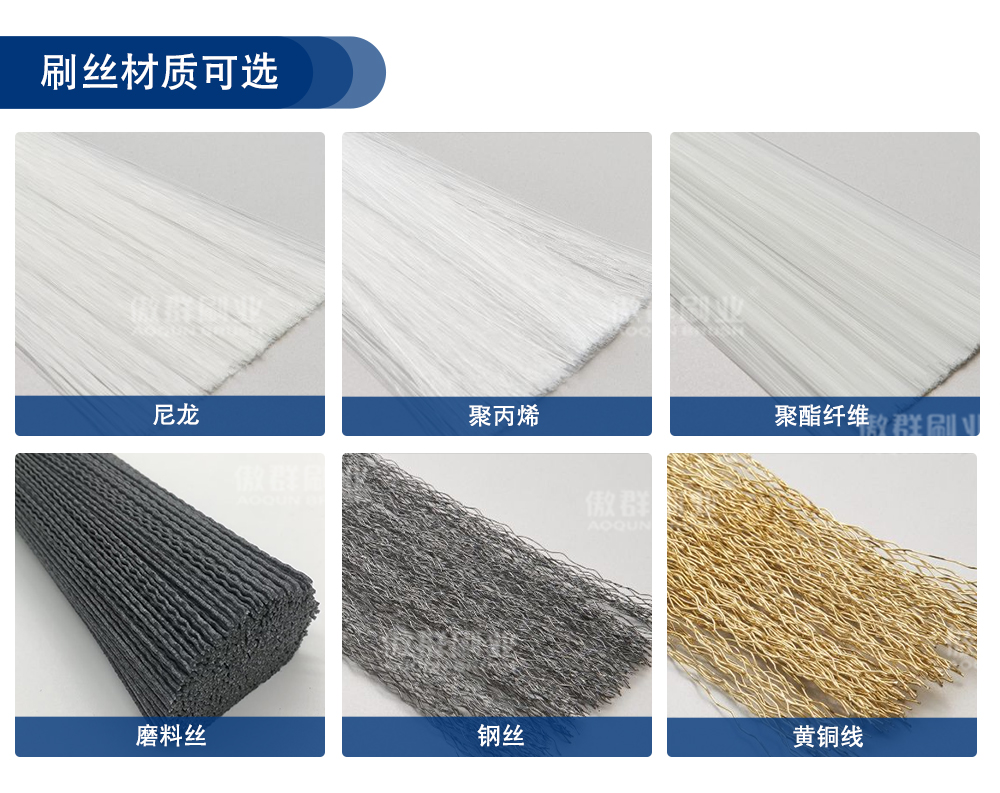
- PVA sponge / nylon filaments / PP
- Filament Diameter
- 0.08 – 0.30 mm (nylon version)
- Interface
- Threaded / flange / snap-fit
- Flatness
- Classified by disc diameter
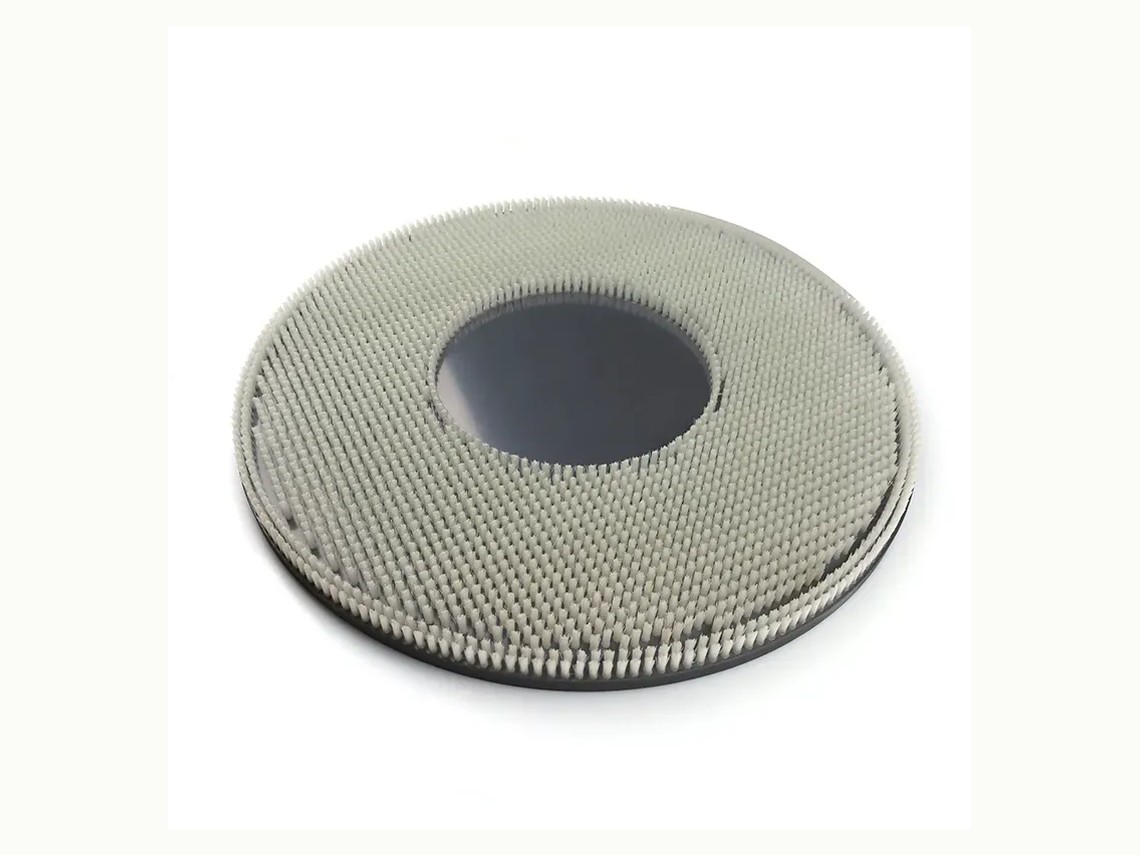
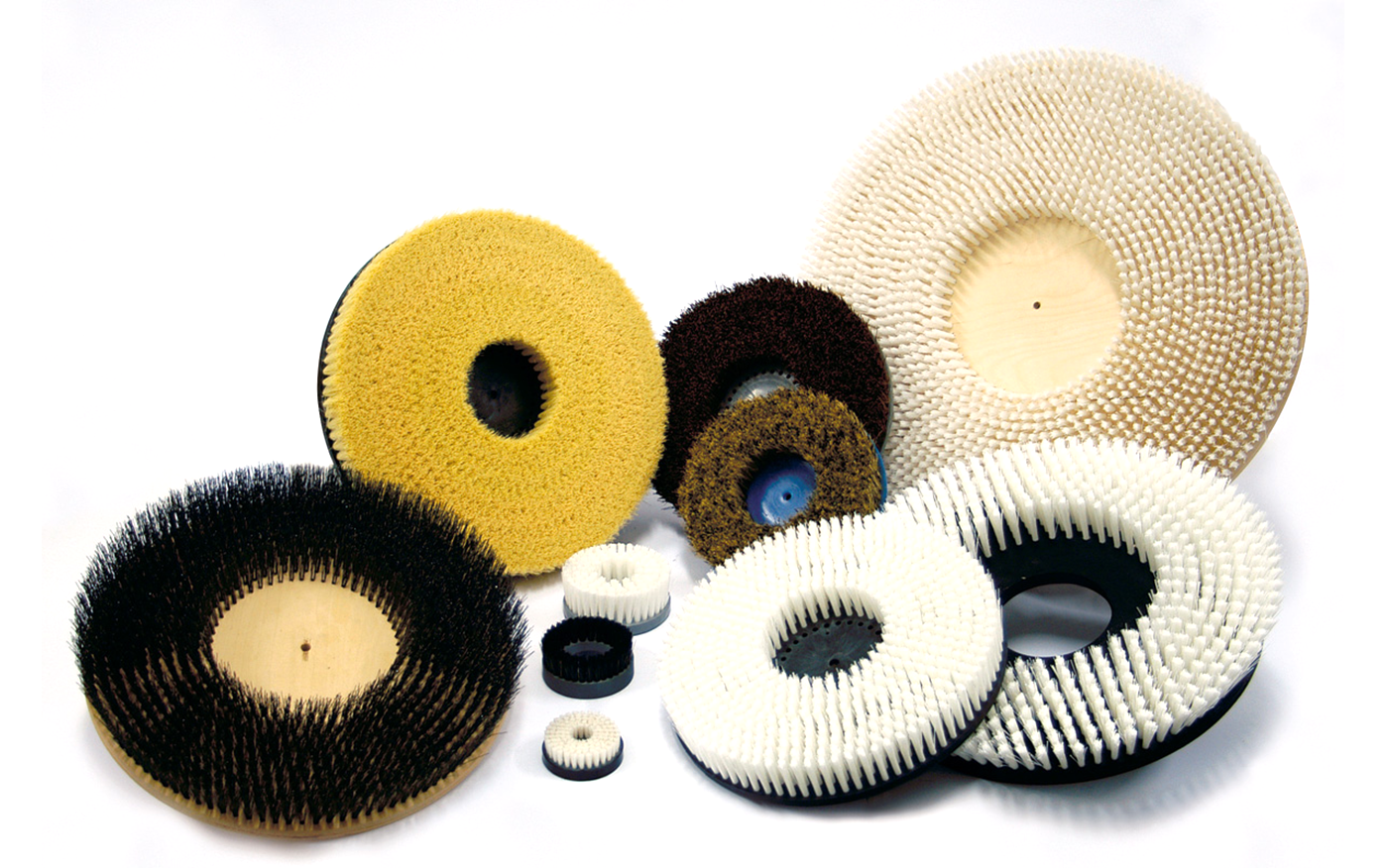
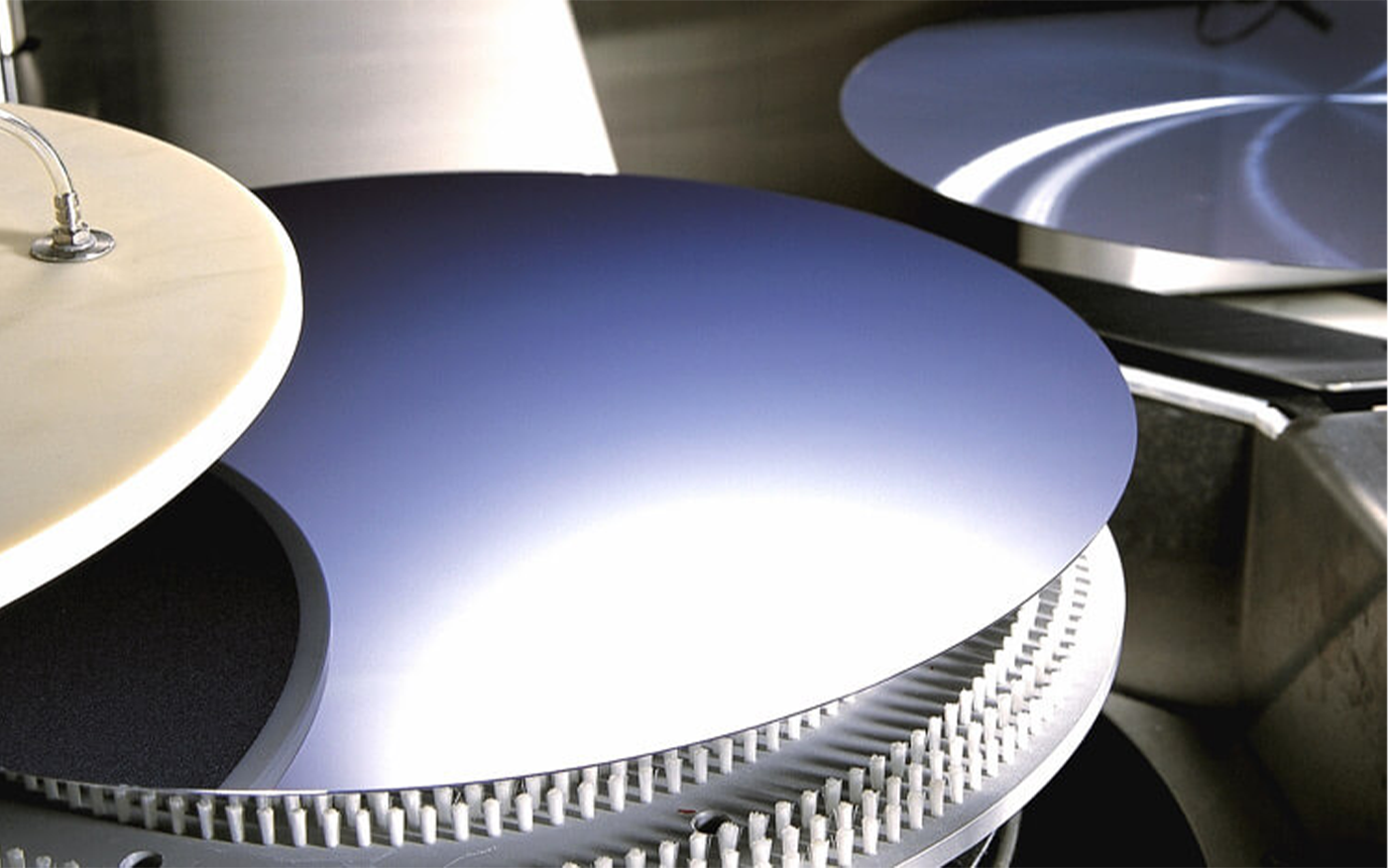
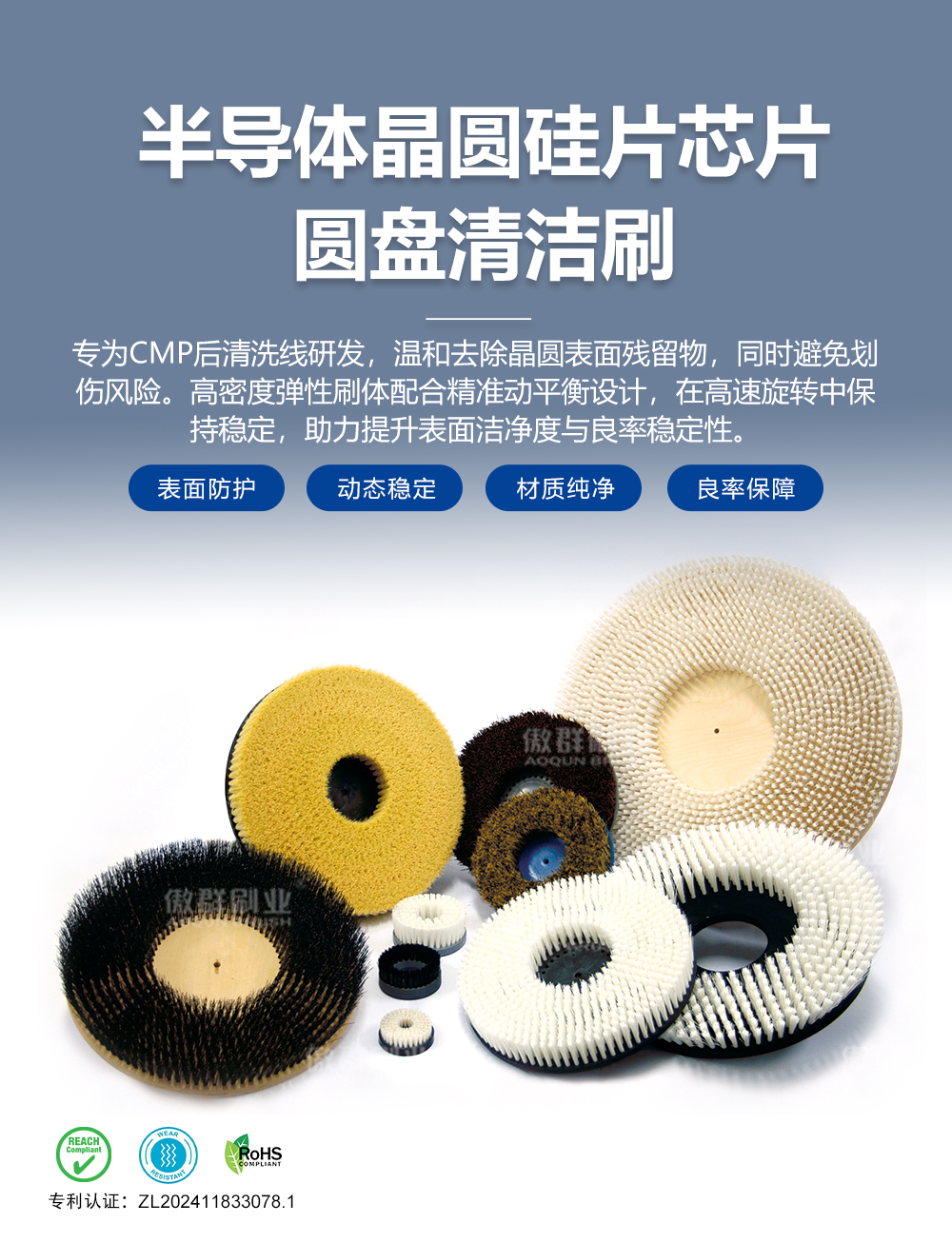
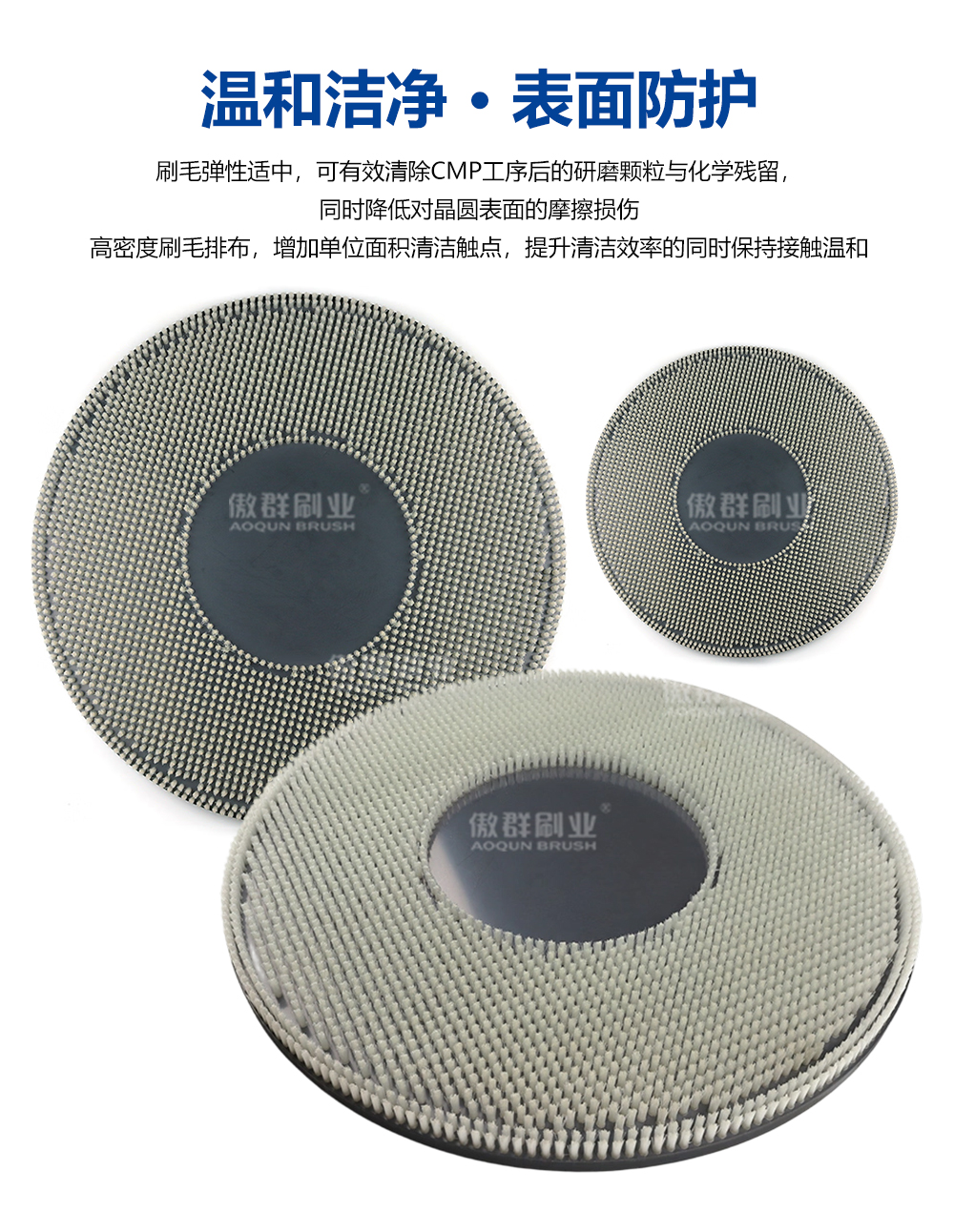
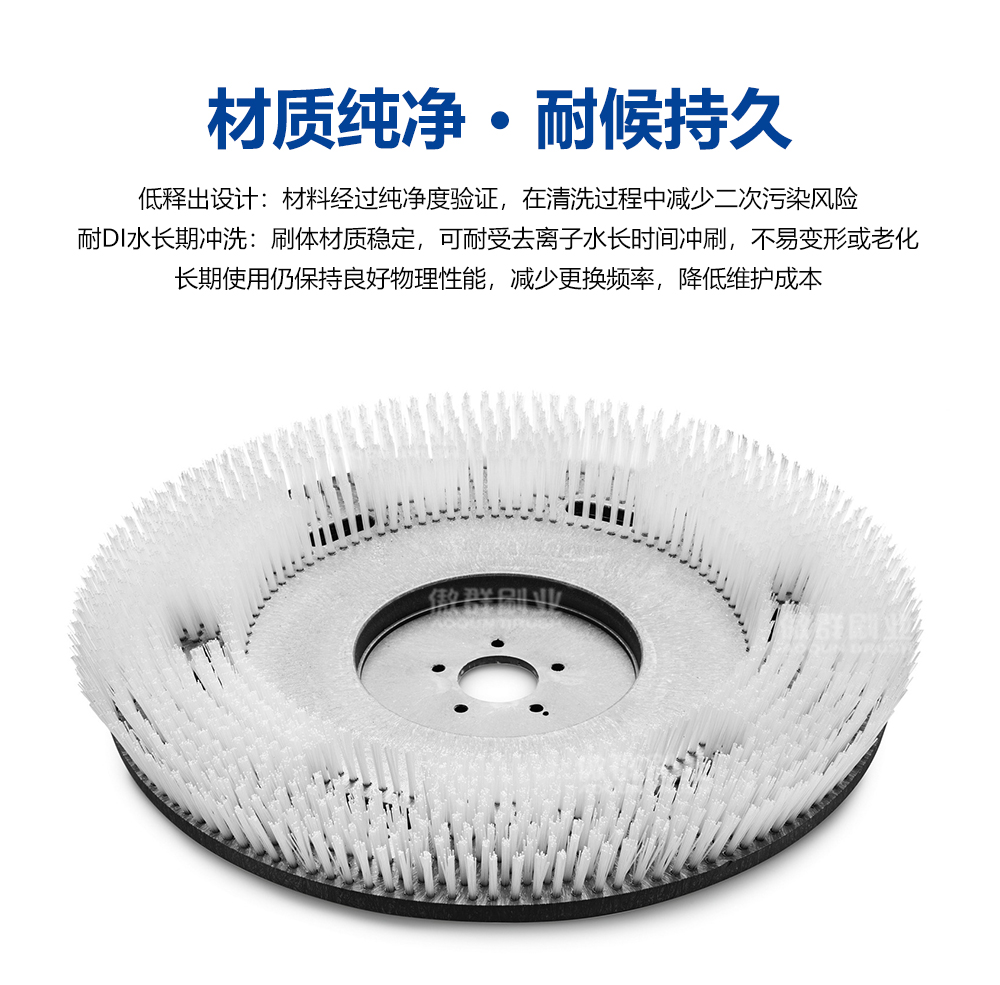
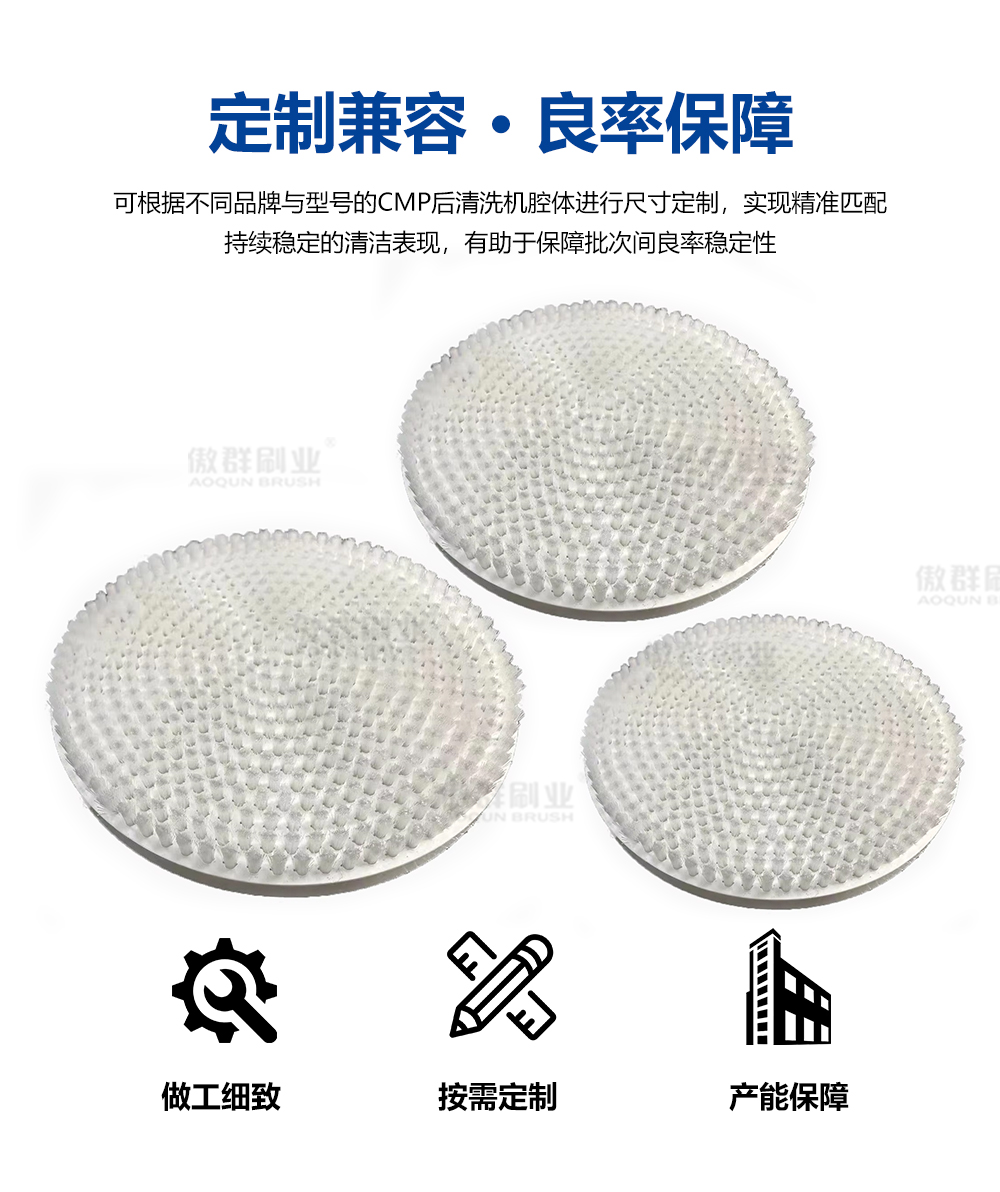
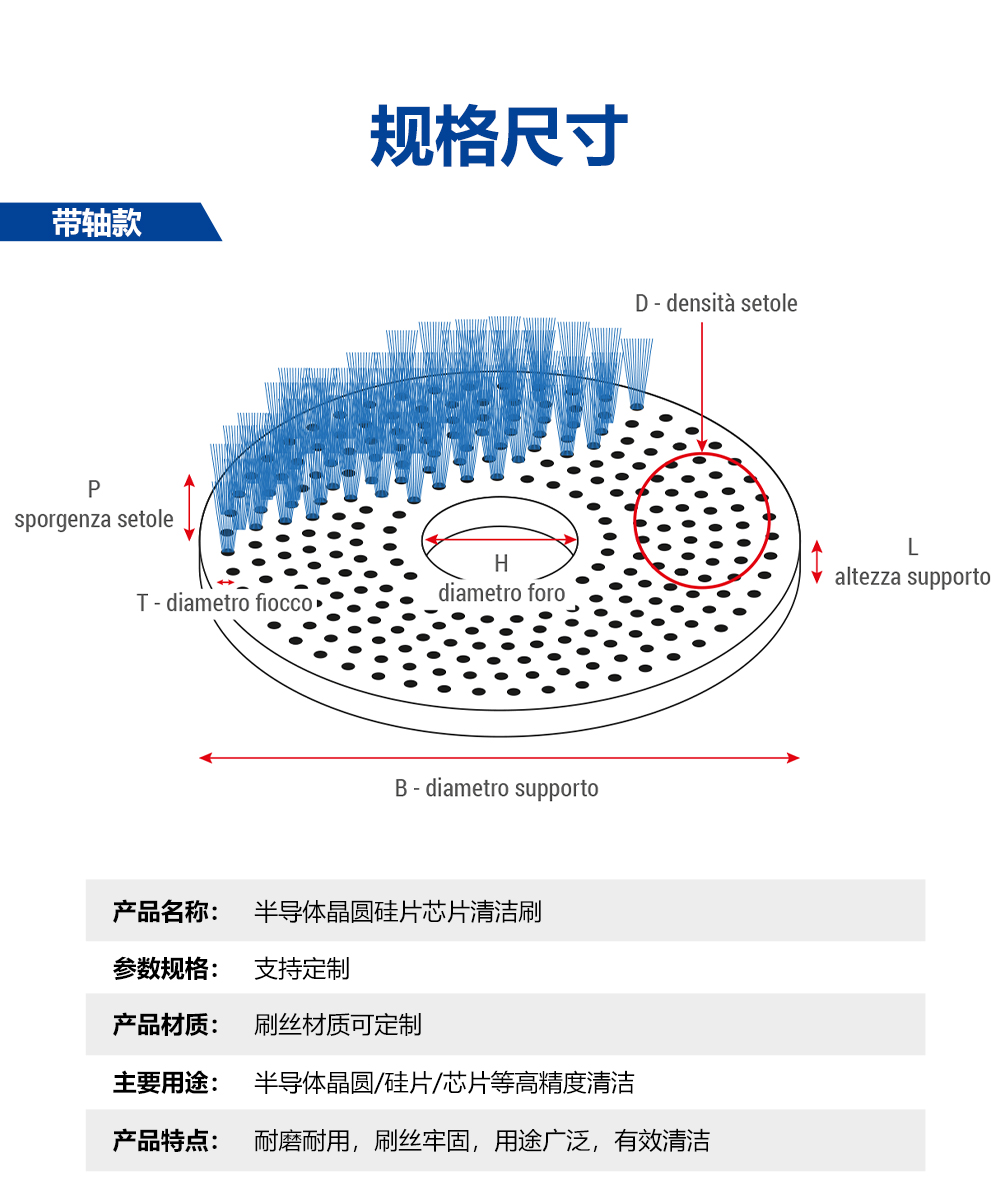
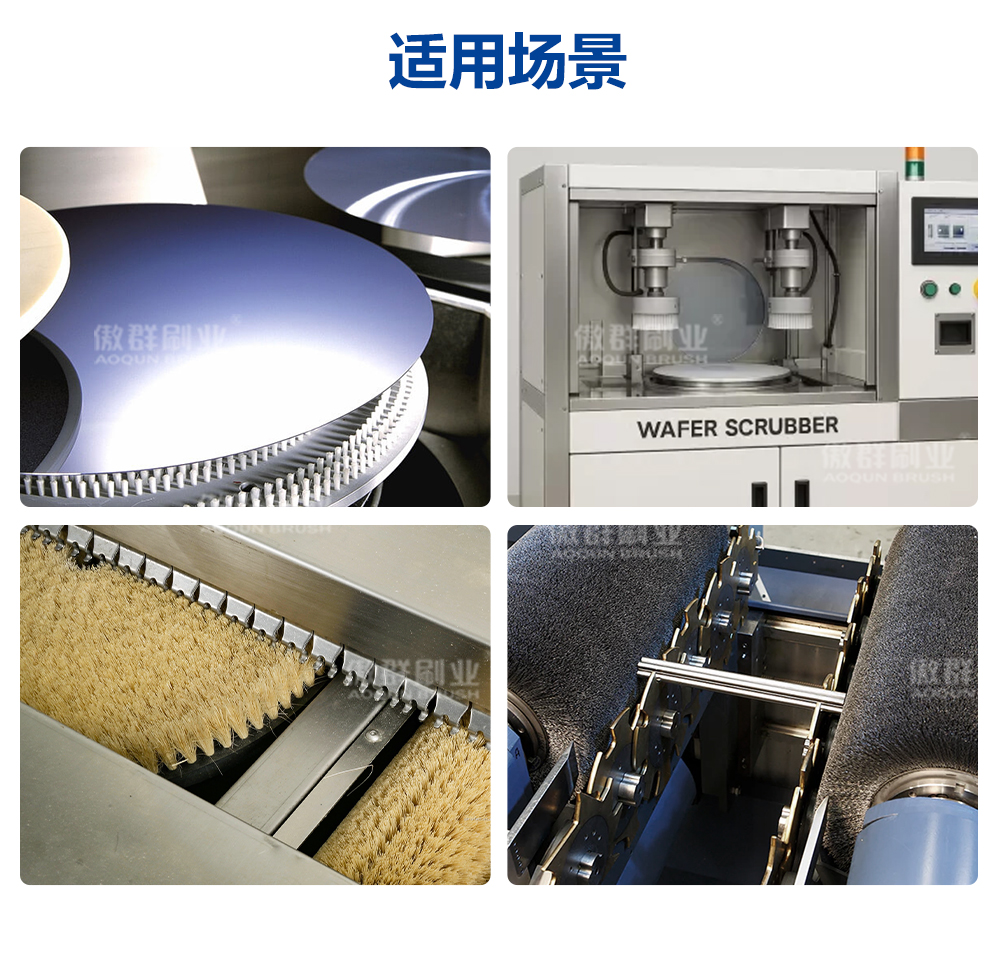
A wafer cleaning disc brush is a single-sided rotating disc brush used for wafer-edge, localized-area and single-wafer rotational cleaning.Common Supply Ranges: Disc diameter φ50–φ300 mm; nylon filament diameter 0.08–0.30 mm. Materials include PVA sponge / nylon filament / PP. Interfaces are available in threaded / flange / snap-fit types. Flatness is graded by disc diameter, and coaxiality is controlled according to the interface. Suitable for edge cleaning and localized scrubbing; use a roller-type structure for large-area full-surface washing to maintain consistent contact. The above ranges represent the supply range rather than material limits. Actual performance varies with formulation, brush position and operating conditions and must be verified using samples on the equipment.

Why it matters Three essential questions
Localized cleaning results are inconsistent
The disc face is not parallel to the wafer, resulting in significant differences in local contact pressure. Control disc-face flatness and interface coaxiality.
The outer edge of the disc throws water during edge cleaning
Excessive speed or oversized disc. Match the disc diameter and speed to the wafer size.
Parameters change completely after replacing the disc
Disc thickness varies between batches. Standardize the disc-thickness baseline and mark measured values upon delivery.
Specification Specification Parameter Ranges
| Parameter | Common ranges / options | Description |
|---|---|---|
| Disc diameter | φ50 – φ300 mm | Select by cleaning area; use a smaller disk diameter for edge cleaning |
| Disc thickness | By structure | Label delivered units with measured values to ensure consistent changeover |
| Material | PVA sponge / nylon filaments / PP | PVA for fine cleaning; nylon for particle removal |
| Filament Diameter | 0.08 – 0.30 mm (nylon version) | Fine-filament precision cleaning |
| Interface | Threaded / flange / snap-fit | Customized according to the tool spindle |
| Flatness | Classified by disc diameter | Affects contact uniformity |
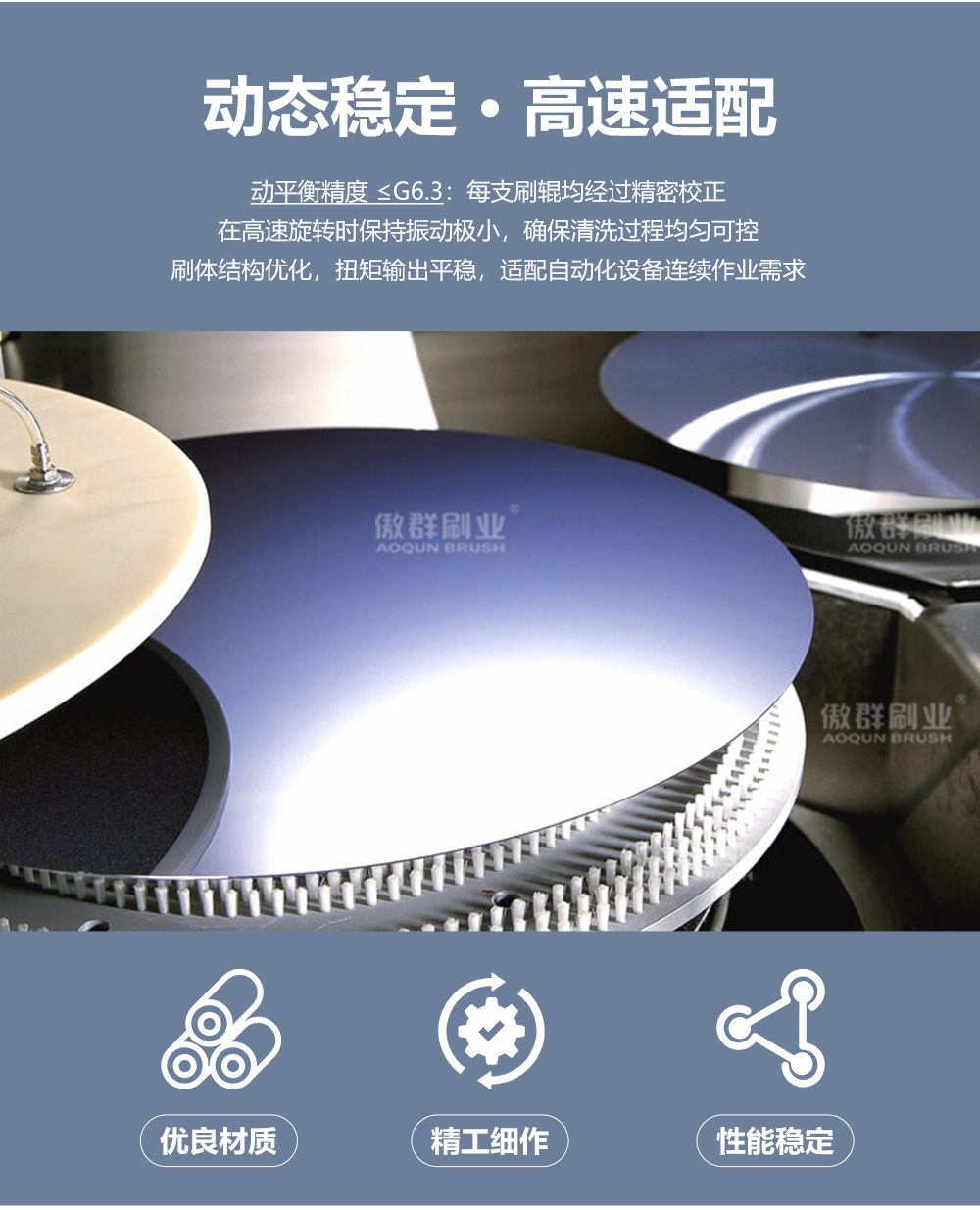
| Coaxiality | Controlled according to the interface | Reduces flicking and uneven wear |
| Rotational-speed range | Provide an upper limit based on the structure | Excessive speed causes water flicking and deformation |
| Cleanroom packaging | Individually clean bag | Batch records can be attached |
The table lists common ranges, not extreme values. Actual specifications shall be confirmed according to the brush-position drawing and operating conditions; where specific limits apply, mutually agreed technical documents shall prevail.
Configurations Structural configuration
PVA fine-cleaning disk brush
Soft and open-pore, suitable for fine surfaces and low-pressure operating conditions.
Nylon-filament disk brush
Strong particle-removal capability, used for coarse cleaning and edge treatment.
Annular disc brush
Center relief, dedicated to edge and notch areas.
Small-diameter spot brush
For localized contamination, used with a handheld tool or robotic arm.
FAQ Product selection and communication
Can disk brushes and brush rollers replace each other?
How should the maximum rotational speed of a disk brush be determined?
Can it be made with replaceable brush segments?
Customer requirements
Leave your contact details and requirements so we can get in touch.