
Post-CMP Cleaning Brushes
Brushes for post-CMP cleaning processes. The structure and operating conditions must be checked against the scrubber brush position, existing cleaning medium, and workpiece conditions, and specifications confirmed after validation with sample workpieces.
- Post-CMP cleaning
- Equipment compatibility
- Scrubber brush position
- Outer Diameter
- φ40 – φ120 mm
- Effective Length
- According to wafer size and brush position
- Pore Size
- 30 – 60 μm
- Hardness
- Low-hardness grade (soft roller)
- End treatment
- Flatness + deburring
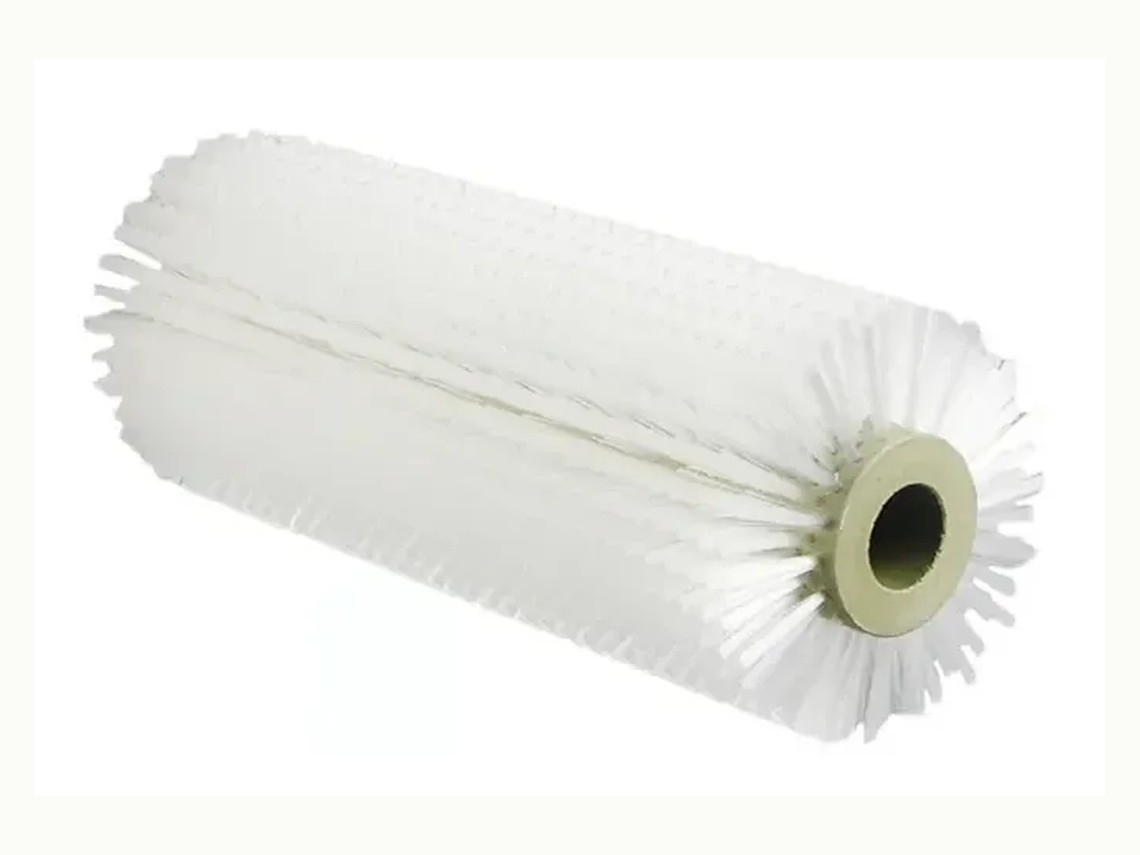
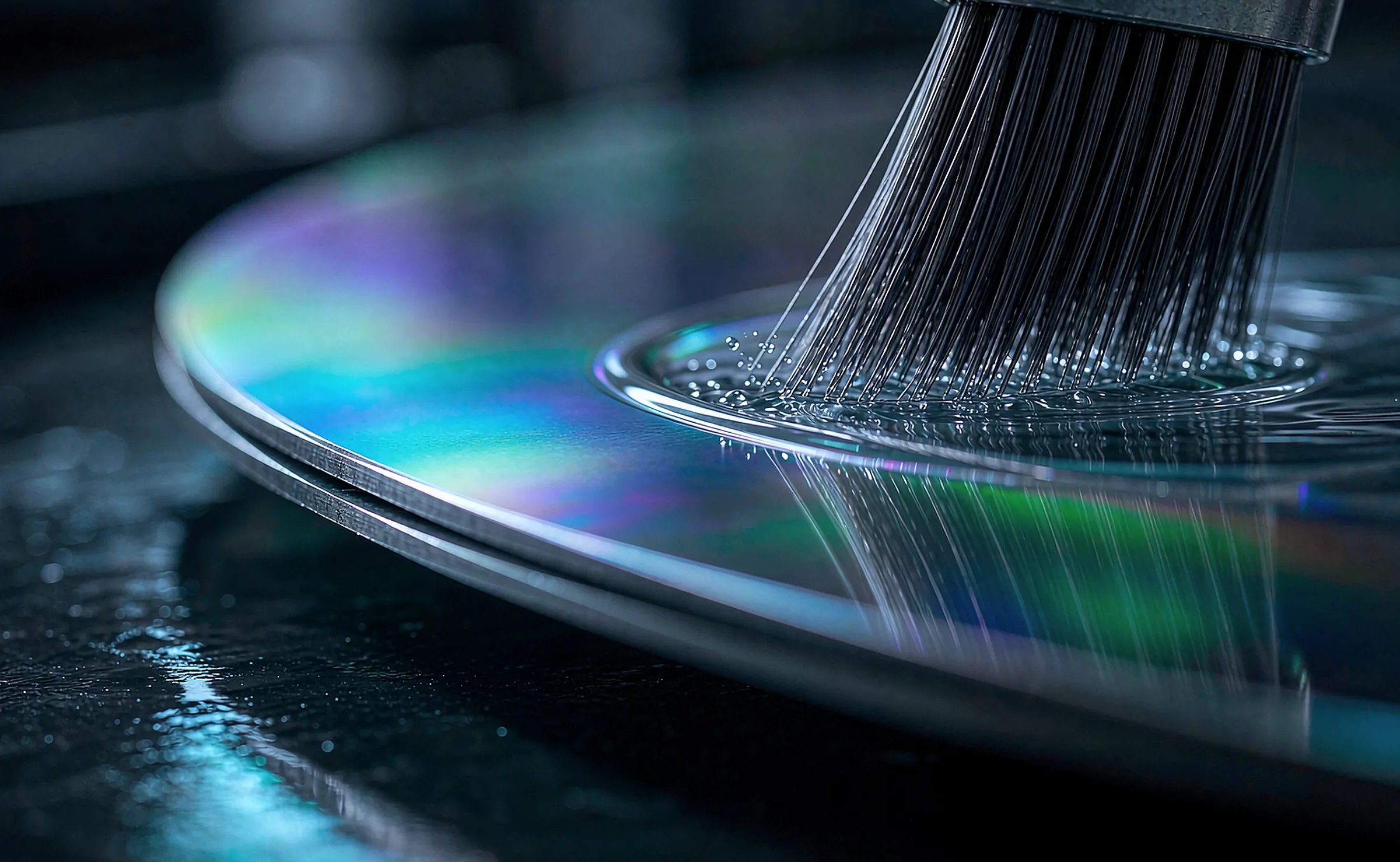
The post-CMP cleaning brush is a soft roller brush installed in the brush position of a scrubber. It is used to remove slurry residue and abrasive particles after polishing.Common Supply Ranges: Outer diameter φ40–φ120 mm, pore size 30–60 μm, low-hardness soft roller. The effective length is determined according to wafer size and brush position. End-face flatness control and deburring are required, while dynamic balancing is classified into G grades according to brush-position rotational speed. Suitable for paired brush rollers in post-CMP final-cleaning brush positions; overly small pores are prone to clogging with abrasive particles and require pore-unclogging and water-absorption rechecking. The above represents the supply range, not material limit values. Actual results vary with slurry formulation, brush position, and operating conditions, and shall be verified using sample parts on the equipment.
Why it matters Three essential questions
Residual slurry within patterns
Insufficient brush roller compression results in inadequate contact, while overly large pores cannot retain fine particles. Back-calculate the compression according to the brush position and select a finer pore size.
Scratches after brush cleaning concentrated at wafer edges
Abrupt hardness changes at the brush roller ends or end-face burrs. Apply transition treatment at the ends and separately control end-face flatness.
Short brush roller service life and rapid decline in cleaning performance
Slurry scaling within the pores. Improve online rinsing and periodic pore-unclogging, and recheck water absorption by batch.
Specification Specification Parameter Ranges
| Parameter | Common ranges / options | Description |
|---|---|---|
| Equipment compatibility | Scrubber brush position | Customized according to brush-position drawings and installation method |
| Outer Diameter | φ40 – φ120 mm | Commonly φ60 / φ80 |
| Effective Length | According to wafer size and brush position | 4/6/8/12-inch tools correspond respectively to |
| Pore Size | 30 – 60 μm | Finer specifications for the final-cleaning section while balancing resistance to clogging |
| Hardness | Low-hardness grade (soft roller) | Reduce mechanical stress on pattern structures |
| End treatment | Flatness + deburring | End transitions to reduce edge scratches |
| Dynamic balancing | Classified into G grades according to brush-position rotational speed | Operating rotational speed required |
| Chemical resistance | Resistant to CMP slurry and cleaning agents | Strong oxidizing systems must be disclosed in advance |
| Polishing pad cleaning brushes | Disc brush / roller brush types | For online polishing pad cleaning and post-conditioning cleaning |
| Cleanroom packaging | Single cleanroom bag | Batch records can be attached |
The table lists common ranges, not extreme values. Actual specifications shall be confirmed according to the brush-position drawing and operating conditions; where specific limits apply, mutually agreed technical documents shall prevail.
Configurations Structural configuration
Scrubber wafer brush roller
Used in the primary brush position and installed in pairs for contact brushing of both wafer sides.
Polishing pad cleaning brushes
Disc brush or roller brush type for removing polishing pad surface residue and conditioning debris.
Edge-reinforced brush
For enhanced cleaning of wafer edges and notch areas.
Low-extractables final-cleaning roller
For final-cleaning sections sensitive to metal ions and TOC.
FAQ Product selection and communication
How should the replacement cycle for post-CMP cleaning brushes be determined?
What is the essential difference between PVA brush rollers and ordinary sponge rollers?
Can the brush roller be purchased without replacing the shaft?
Do polishing pad cleaning brushes need to be replaced together with scrubber brush rollers?
Customer requirements
Leave your contact details and requirements so we can get in touch.