
Do not overlook the importance of semiconductor cleaning brushes
From brush head diameters of 0.5-2mm to tufting densities of 12000-15000 tufts/cm², the parameters chosen for toothbrushes, disc brushes and wafer cleaning brushes determine cleaning quality and rework costs.
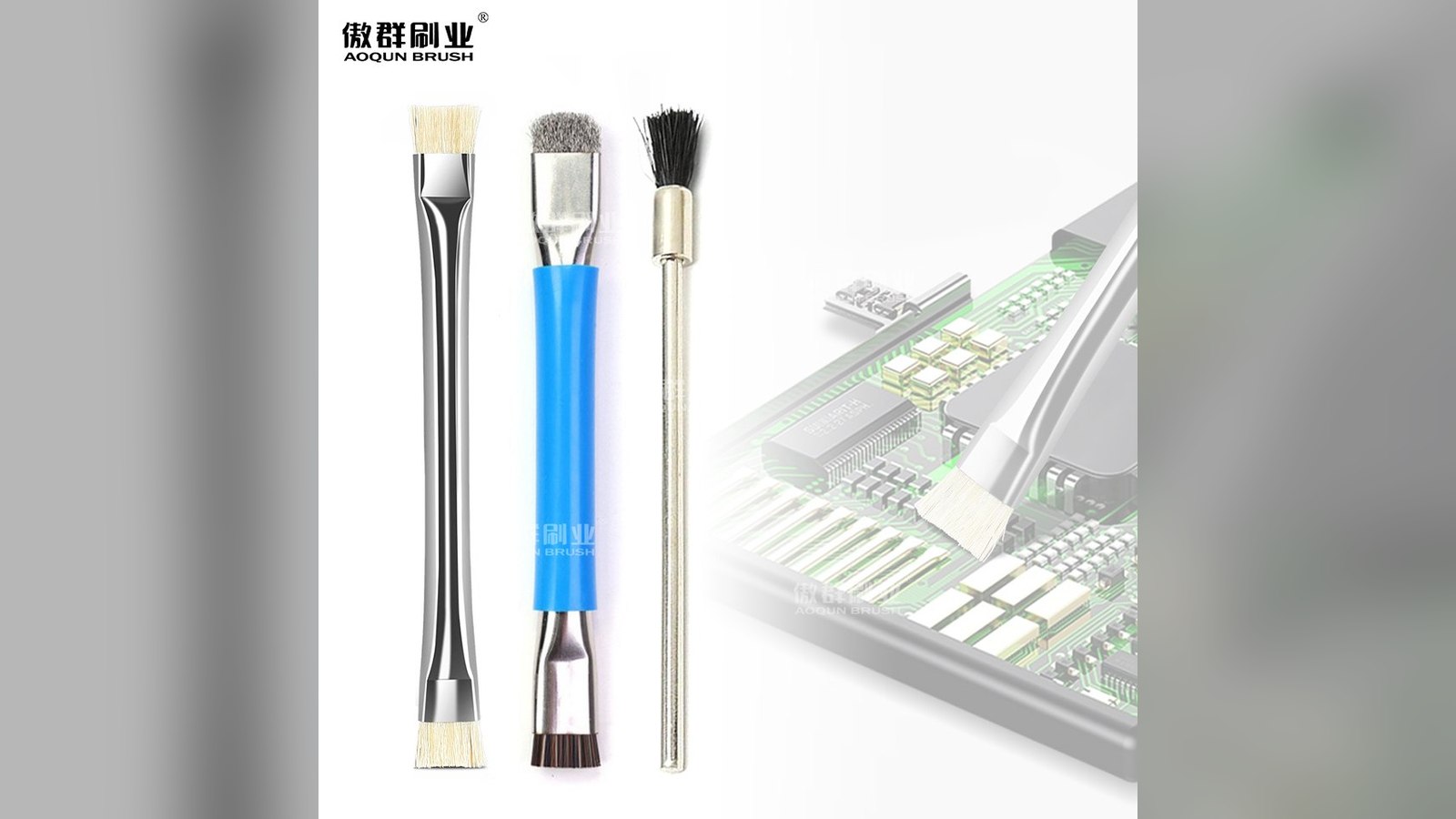
In semiconductor chip manufacturing, cleaning directly affects yield and performance stability. PCB cleaning toothbrushes, disc brushes and wafer cleaning brushes are core tools for ensuring cleaning quality.
PCB cleaning toothbrush heads typically measure 0.5-2mm in diameter, suitable for precision areas such as chip pins and BGA solder joints. Industry statistics attribute signal transmission abnormalities in 12%-15% of chips to residual flux, metal debris and similar contaminants on pins. Using PCB cleaning toothbrushes that meet ISO 14644-1 Class 5 cleanliness standards with dedicated cleaning agents can keep pin surface residues below 0.1μg/cm², substantially reducing short-circuit risk.

PCB cleaning disc brushes are mainly used for batch cleaning, typically with diameters of 150-300mm and speeds of 3000-5000rpm. Measurements at a PCB manufacturer showed that antistatic disc brushes reduced cleaning time per batch of 1000 10-layer boards from 28 minutes to 9 minutes, improving production efficiency by 67.8%. Bristle wear remained below 0.05mm per 1000 uses, reducing consumable replacement costs.
Wafer cleaning brushes are vital for chip lithography. For advanced processes below 14nm, allowable surface particle sizes must remain below 50nm. Professional wafer brushes use fibers with diameters of 3-5μm made of nylon 612 and directional tufting to achieve densities of 12000-15000 tufts/cm². At contact pressure of ±5kPa, they remove 98.5% of CMP slurry residue. A foundry's actual application showed that SEMI-compliant wafer brushes improved lithography yield from 89.2% to 97.3%.
For semiconductor manufacturers, selecting cleaning brushes compliant with ISO 14644-1, SEMI E15.1 and other international standards supports stable processes and can lower manufacturing cost per chip by 8-12% through reduced rework and scrap. As competition intensifies, brush selection has become an important part of improving core competitiveness.
Customer requirements
Leave your contact details and requirements so we can get in touch.